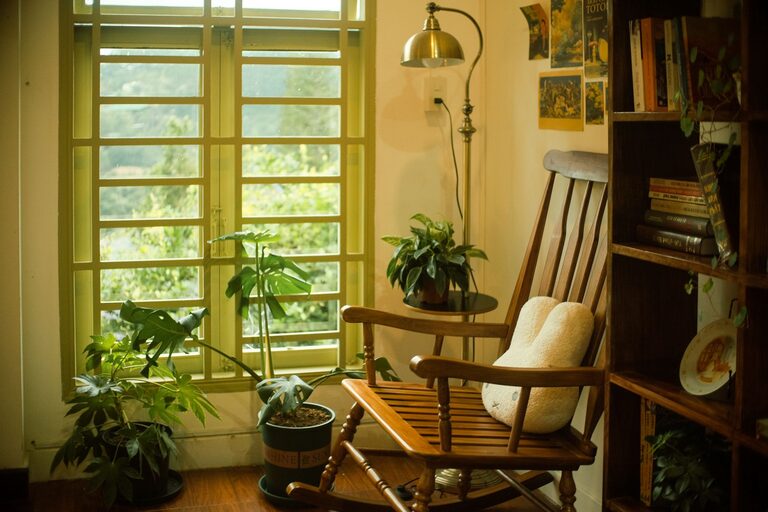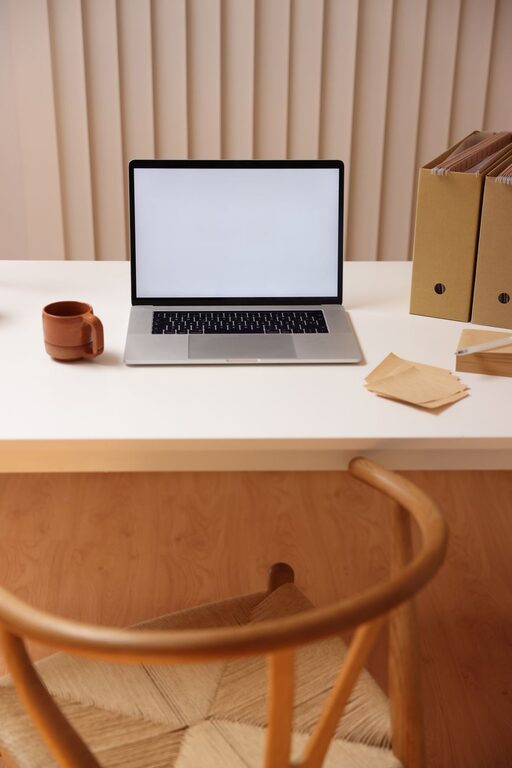
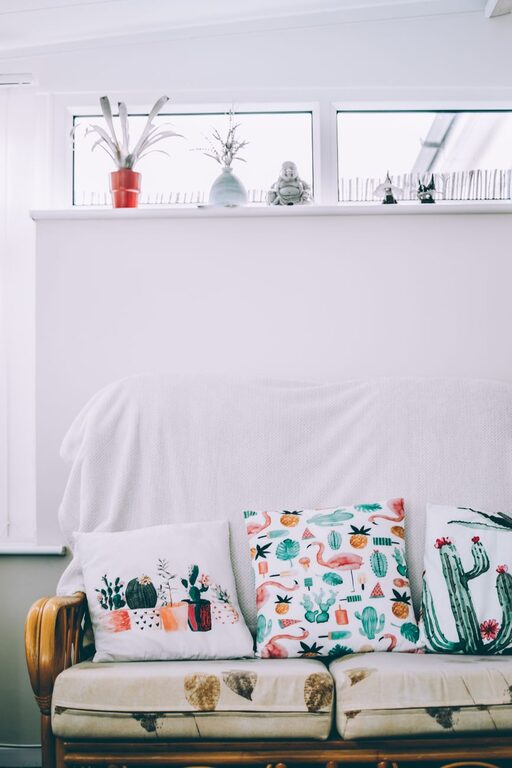
A dark room can feel cramped, gloomy, and uninviting. Whether your space lacks windows, or the natural light is limited, there are plenty of practical ways to brighten it up and create a warm, cheerful atmosphere. With a few simple changes and smart decorating tricks, you can transform any dark room into a lively, comfortable area.
In this post, we’ll explore quick and easy ideas you can use to enhance the brightness of your room without major renovations.
1. Use Light Colors on Walls and Ceilings
One of the most effective ways to brighten a dark room is with color choices.
– Paint walls in light, neutral colors: Whites, creams, soft grays, and pale pastels reflect light rather than absorb it. This helps the room feel more open and airy.
– Consider a bright white ceiling: Ceilings are often neglected, but painting them white or an off-white shade makes the space feel taller and brighter.
– Use glossy or satin finishes: These finishes reflect light more than matte paint and can add a subtle sheen that spreads brightness.
2. Maximize Natural Light
Even small amounts of natural light can be enhanced with a few changes.
– Keep window treatments light and minimal: Choose sheer curtains or blinds that open fully, allowing as much sunlight as possible.
– Use mirrors strategically: Placing mirrors opposite windows helps bounce natural light deeper into the room.
– Clean your windows regularly: It may sound simple, but clean windows let in the maximum amount of daylight.
3. Add Layered Lighting
Good lighting is key in a dark room. Layered lighting means using multiple light sources to brighten a space evenly.
– Ceiling lights: Start with a bright overhead light, such as a flush mount or chandelier with LED bulbs for energy-efficient brightness.
– Task lighting: Add desk lamps, floor lamps, or reading lights to brighten specific areas.
– Accent lighting: Use wall sconces or string lights to create warmth and depth.
– Choose bulbs with high lumens: Look for bulbs labeled “bright white” or “daylight” for a crisp, clear effect.
4. Incorporate Reflective and Light-Enhancing Decor
Certain materials and decor choices can help spread light around the room.
– Mirrors: A large mirror or a collection of smaller ones can reflect both natural and artificial light.
– Metal accents: Chrome, brass, or silver finishes on lamps, furniture legs, or picture frames reflect light beautifully.
– Glass and acrylic: Transparent furniture or decor items reduce visual clutter and let light pass through.
– Light-colored rugs and upholstery: Choose fabrics in light shades to prevent soaking up light.
5. Keep Clutter to a Minimum
A crowded room can feel darker and smaller. Keeping things organized enhances the sense of openness and brightness.
– Declutter regularly: Clear surfaces and storage areas to reduce visual heaviness.
– Use smart storage: Shelving with open backs or furniture with built-in storage can keep things tidy without closing in the room.
– Choose furniture that fits the space: Oversized pieces can block light paths or make the space feel cramped.
6. Add Greenery and Natural Elements
Plants add life and freshness to any room.
– Choose bright, vibrant plants: Plants with light green leaves or variegated patterns can brighten the space.
– Use light-colored pots: White or pastel planters help keep the room feeling light.
– Place plants near windows or light sources: This encourages healthy growth and adds a natural glow.
7. Use Light Fabrics and Patterns
Textiles play a subtle but important role in how bright a room feels.
– Opt for light-colored curtains, cushions, and throws: These materials reflect more light than heavy dark fabrics.
– Choose simple, airy patterns: Small prints or stripes in light colors can add interest without overwhelming the space.
– Consider sheer fabrics: They allow light to filter through rather than block it.
8. Replace Heavy Doors or Furniture with Glass Options
If possible, replacing solid doors with glass-paneled doors allows light to flow between rooms, brightening darker areas.
– Sliding glass doors or French doors: These can dramatically increase light flow.
– Glass furniture tops: A glass coffee table or side table reflects light and maintains openness.
9. Paint Doors and Trim in Light Shades
Don’t overlook doors and trim. Painting them white or a light neutral color helps reduce visual barriers and brightens the room.
– Contrast with walls subtly: A slightly different shade can define areas without closing in the space.
– Use semi-gloss or gloss paint: These finishes reflect light better.
10. Add Artwork and Accessories with Bright Colors
In a dark room, small pops of bright color draw the eye and add vibrancy.
– Choose colorful paintings or prints: Bright, uplifting art can brighten mood and decor.
– Add cushions, vases, or lampshades: Bold colors add personality without overwhelming the space.
—
Final Thoughts
Brightening a dark room is all about making the most of light—both natural and artificial—and choosing colors and decor that reflect and enhance that light. With these quick and easy ideas, you can turn any dim space into a warm, welcoming retreat that feels much larger and livelier.
Try combining several of these tips for the best results. Whether you focus on painting, lighting, or furniture changes, small updates can make a big difference in how your room feels every day. Happy decorating!
About the Author