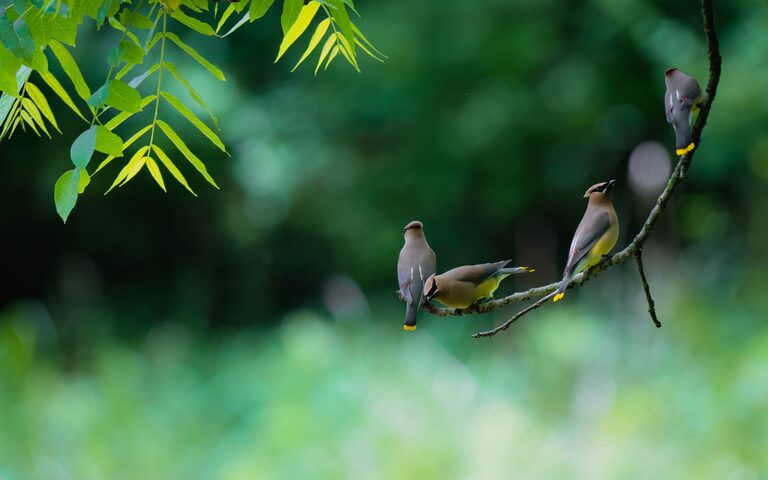
Birdwatching is a rewarding and relaxing hobby that anyone can enjoy, especially right in their own backyard. Whether you have a small urban garden or a spacious yard, you can create a welcoming environment for local birds and learn to appreciate the variety of species nearby. This guide offers easy tips for beginners to start backyard birdwatching with confidence and joy.
Getting Started with Backyard Birdwatching
Birdwatching is about observing and appreciating birds in their natural environment. It doesn’t require special equipment or extensive knowledge to begin. Here are some basics that will help you get ready.
Choose a Good Spot to Watch
Find a comfortable place where you can sit quietly and watch the birds. It could be a porch, a window seat, or a garden bench. The key is to have a clear view of trees, shrubs, or feeders where birds are likely to appear.
Be Patient and Quiet
Birds can be shy, so patience is important. Avoid sudden movements and loud noises. Spending a few minutes observing quietly will increase your chances of seeing a variety of birds.
Attracting Birds to Your Backyard
Creating a bird-friendly environment is one of the best ways to enjoy birdwatching. Birds need food, water, and shelter to feel safe and visit regularly.
Provide the Right Food
Different birds prefer different kinds of food. Here are some common options:
– Seed Mixes: Black oil sunflower seeds attract many species like finches and cardinals.
– Nectar: Hummingbirds love sugar water made from 1 part sugar to 4 parts water.
– Suet: Fatty suet cakes are popular with woodpeckers, chickadees, and nuthatches.
– Fruit: Offer sliced oranges, apples, or berries for species like orioles and robins.
Using a variety of feeders such as tube feeders, platform feeders, and suet cages will accommodate different bird preferences.
Supply Fresh Water
Birds need water for drinking and bathing. A birdbath or a shallow dish with fresh water works well. Make sure to clean and refill it regularly to prevent the spread of disease.
Create Shelter and Nesting Areas
Planting native trees and shrubs provides natural shelter and food sources. Adding birdhouses tailored for local species can encourage nesting. Dense bushes offer safe spots for resting and hiding from predators.
Essential Gear for Beginners
You don’t need fancy gear to enjoy birdwatching, especially when starting out. Still, some basic items can enhance the experience.
– Binoculars: A lightweight pair of binoculars helps you see details without disturbing the birds.
– Field Guide: A bird identification book or app can assist in recognizing different species.
– Notebook: Keeping a log of your sightings can be fun and educational.
– Camera (Optional): A camera with a zoom lens allows capturing images for closer study or sharing.
Tips for Identifying Birds
Learning to identify birds adds to your enjoyment and knowledge.
Observe Key Features
Look for colors, patterns, size, and shape. Notice the beak, tail, and wing markings. Pay attention to behavior like feeding style and flight pattern.
Listen to Bird Calls
Bird sounds are unique and can help with identification. You might want to use apps that play bird calls or record what you hear to compare later.
Take Notes or Photos
Documenting what you see helps reinforce your learning and gives you a record of your progress.
Respecting the Birds and Environment
Being a responsible birdwatcher means protecting the birds and their habitat.
– Keep your distance to avoid stressing the birds.
– Never handle wild birds or their nests.
– Avoid using pesticides or chemicals in your garden.
– Keep feeders and birdbaths clean to prevent disease.
Joining the Birdwatching Community
Birdwatching can be more enjoyable when shared with others.
– Join local birding clubs or nature groups.
– Participate in community events like bird counts.
– Share your sightings on social media or birdwatching websites.
Conclusion
Backyard birdwatching is a simple and enjoyable way to connect with nature. By creating a welcoming environment, equipping yourself with a few tools, and practicing patience, you can start spotting and identifying birds right outside your door. Happy birdwatching!
About the Author